English
 français
 Deutsch
 Español
 русский
The application of crystal oscillator technology has become indispensable in modern electronics, where precise timing is critical to ensure the stability of countless systems. A crystal oscillator relies on the mechanical resonance of a quartz crystal to create an accurate frequency signal, making it one of the most reliable components for synchronization. Whether in consumer electronics or aerospace instruments, the oscillator ensures that signals remain consistent and precise, forming the heartbeat of digital and analog circuits. This fundamental role has led crystal oscillator manufacturers to continuously refine design and production standards, ensuring high accuracy across diverse use cases.
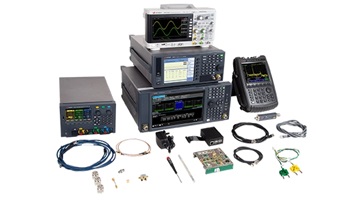
One of the most vital areas for the application of crystal oscillator devices is in communication and networking. Telecommunication systems rely heavily on frequency stability to transmit data without errors. From base stations in mobile networks to fiber-optic communication systems, oscillators provide the timing reference that allows synchronized data exchange. In satellite communication, navigation, and GPS modules, precision is even more demanding, as a small deviation in timing can lead to significant signal errors. Recognizing this, crystal oscillator manufacturers design oscillators with ultra-low phase noise and high stability, ensuring that communication remains uninterrupted and highly reliable across long distances.
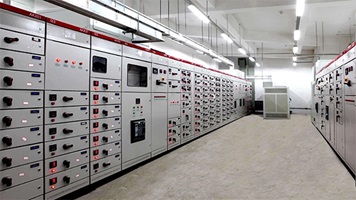
Computing and storage technologies also highlight the importance of the application of crystal oscillator solutions. In microprocessors, timing accuracy dictates the synchronization of internal operations, while in data storage systems like hard drives or solid-state drives, oscillators ensure that read and write operations are performed consistently. Servers and cloud computing infrastructure further demand oscillators with uncompromising reliability, as even milliseconds of timing inconsistency can disrupt large-scale data processing. This growing reliance has driven crystal oscillator manufacturers to focus on high-performance oscillators that meet the strict demands of today's data-centric world, where timing precision is the key to efficiency.
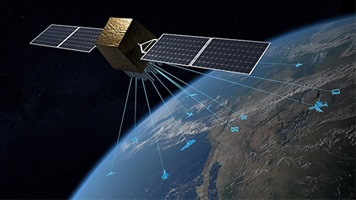
Beyond consumer and computing technologies, crystal oscillator application extends deeply into industrial automation, automotive electronics, and aerospace systems. In automotive environments, oscillators play a role in engine control units, infotainment systems, and advanced driver-assistance systems, all of which require real-time synchronization. In industrial automation, precision oscillators help coordinate machinery, robotics, and monitoring systems to ensure efficiency and safety. Aerospace applications, meanwhile, require oscillators that can maintain stability under extreme temperatures and environmental stress. Crystal oscillator manufacturers have responded to these challenges with designs that offer superior durability, enabling these components to operate reliably in demanding and mission-critical settings.

Looking forward, the application of crystal oscillator technology is expanding into emerging areas such as 5G, the Internet of Things (IoT), artificial intelligence systems, and next-generation defense technologies. The miniaturization of oscillators without compromising stability is becoming a priority as devices shrink in size but grow in capability. Additionally, energy-efficient designs are being developed to meet the needs of portable and wearable devices. With constant innovation, crystal oscillator manufacturers are setting new benchmarks in performance, enabling advanced applications that demand both high frequency precision and environmental resilience. As industries evolve, oscillators will continue to serve as the silent enablers of progress, ensuring every system runs in harmony.