English
 français
 Deutsch
 Español
 русский
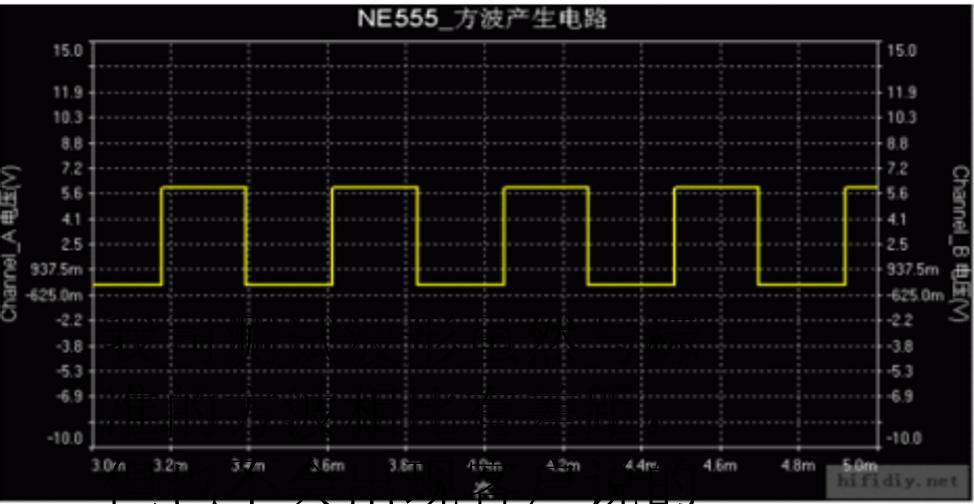
Standard CMOS
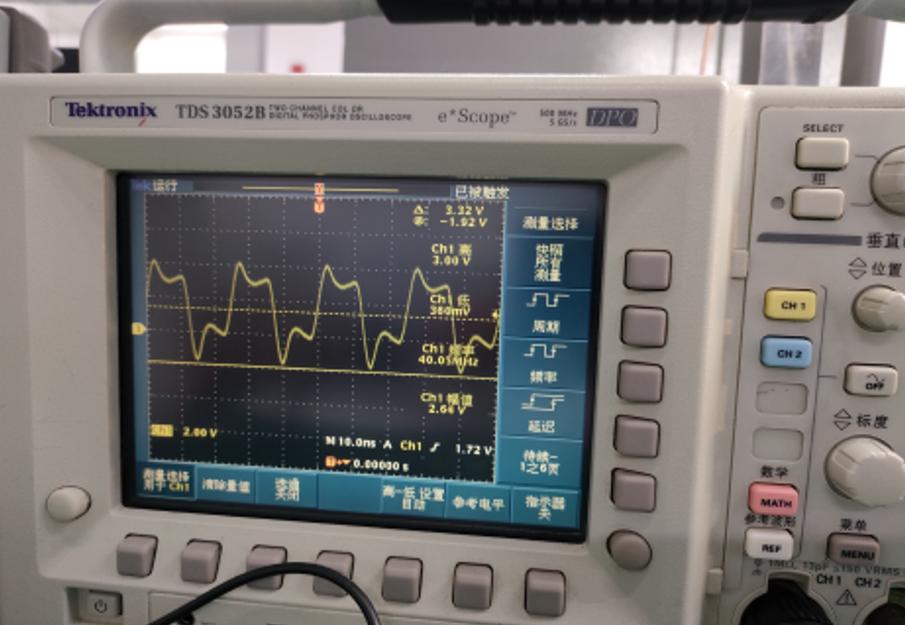
Practical Measurement of CMOS
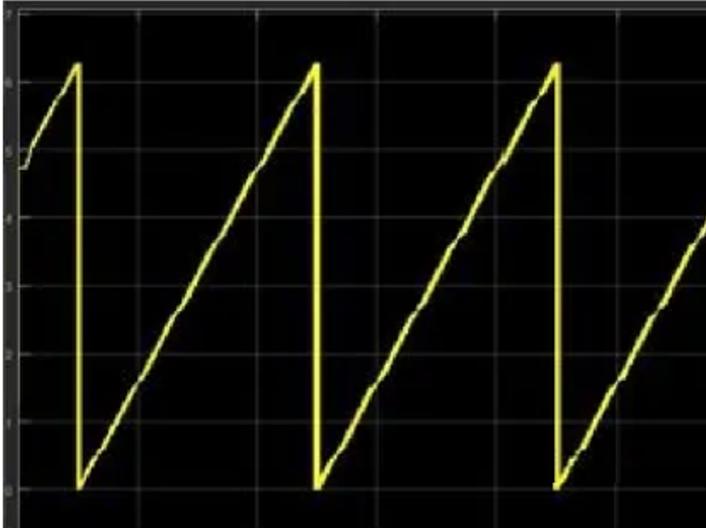
Error Status of CMOS
Principle 1:
The bandwidth of the oscilloscope and probe should be at least 3–5 times the bandwidth of the signal under test.
Principle 2:
In general, a sampling rate of 4–5 times the oscilloscope bandwidth is sufficient to accurately reproduce the waveform.
Principle 3:
To ensure that timing measurements approach the accuracy of the oscilloscope’s time base, the oscilloscope’s rise time should ideally be 20 times faster than the signal being measured. In many cases, an oscilloscope that is 3–5 times faster than the measured signal is still acceptable.
The probe bandwidth should ideally be 1.5 to 2 times the oscilloscope bandwidth.
1. The signal bandwidth exceeds the oscilloscope bandwidth.
2. The signal bandwidth exceeds the probe bandwidth.
3. Excessive probe loading that alters the operating state of the circuit — try using an active probe with higher input impedance and lower input capacitance.
4. Probe ground lead is too long — it is recommended to use a shorter ground lead and connect to the nearest ground point.
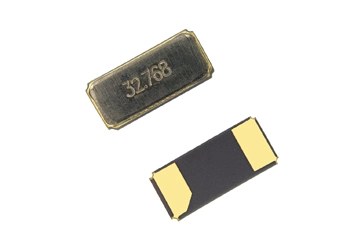
Here are classic CMOS TCXO products:
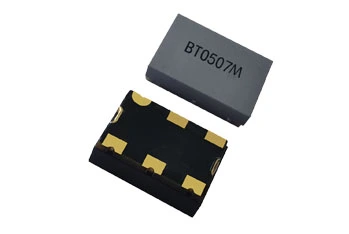
Here are High Frequency Sine Wave TCXO products: